Why Dentists Consider Tooth Extraction a Last Resort
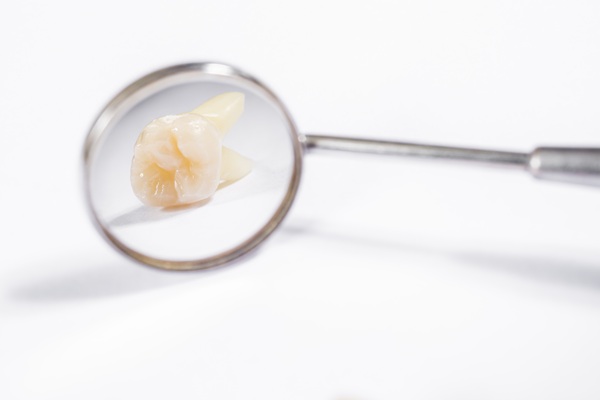
A is rarely the first choice for a dental professional because keeping a natural tooth in place provides the best long-term foundation for oral health and comfort. However, there are occasions, such as recurring infections, severe decay, or fractures, that necessitate the procedure. While the general dentist will take every measure to save the natural tooth, they can also develop a plan to restore appearance and function should an extraction be necessary.
Preventing the domino effect of tooth loss
Every tooth in the mouth relies on its neighbors to stay in the correct position and maintain a balanced bite. If a gap appears, the surrounding teeth often begin to tilt or drift into the empty space as they search for a new point of contact. This movement creates new, hard-to-reach areas where plaque and bacteria accumulate, significantly increasing the risk of cavities in previously healthy teeth. A balanced bite also ensures that chewing forces distribute evenly, preventing unnecessary wear and tear on other parts of the mouth.
Modern restorative alternatives after tooth extraction
Dentists today have an extensive range of tools designed to save teeth that might have required removal in the past. Fillings and custom crowns can reinforce a tooth that has suffered from significant decay or a fracture. If an infection reaches the inner nerve of the tooth, root canal therapy allows the dentist to remove the bacteria while preserving the tooth's physical structure. These treatments are often faster and more predictable than the process of replacing a missing tooth with a bridge or an implant later on.
Periodontal treatments also help stabilize teeth that feel loose due to advanced gum disease by restoring the health of the supporting tissues and bone. Laser therapy and deep cleanings can often halt the progression of an infection, allowing the natural tooth to remain a functional part of the smile. These procedures serve as a frontline defense, making the removal of a tooth unnecessary in the majority of cases. Saving a tooth is almost always more cost-effective over a lifetime than the cycle of extractions and replacements.
Planning for a functional future
If a tooth extraction is determined to be the safest option, the focus quickly shifts toward a smart replacement plan that keeps the smile functional and beautiful. The dentist will consider the following:
- Dental implants. They include a titanium post that functions as a new root, helping maintain bone density and stability, and are topped with a final restoration for appearance.
- Dental bridges. A prosthetic that combines crowns and pontics (false teeth) to fill gaps and keep the remaining teeth from shifting out of place.
- Partial dentures. A temporary solution that usually includes metal claps behind a pontic that enables it to fit snugly between two natural teeth and remain fixed in place.
Having a clear path forward ensures that the transition feels smooth and that the bite remains comfortable for years to come.
Schedule an appointment
Preserving a natural smile is always the preferred path because it maintains the balance, strength, and sensory function of the jaw. While a tooth extraction serves an important purpose in specific situations, modern restorative care offers many ways to keep teeth healthy and functional for a lifetime. To learn more about this procedure or to schedule one, contact Marcucci Dental.
Request an appointment here: https://marcuccidental.com or call Marcucci Dental at (856) 776-7211 for an appointment in our Vineland office.
Check out what others are saying about our dental services on Yelp: .
Related Posts
Seeing an emergency dentist for tooth extraction is sometimes necessary when pain, damage, or infection develops suddenly. Tooth extractions are typically planned in advance, but urgent situations may require immediate dental care to relieve symptoms and prevent further complications. Knowing when to seek help from an emergency dentist ensures that patients receive prompt and effective…
If you are wondering what type of dentures are right for you, now may be a good time to consider acrylic dentures. Acrylic dentures are made from 100 percent acrylic and unlike other types of dentures, they do not have any metal substructures to offer support. The dentures are ideal for permanent and temporary denture…
Mouthwash, or mouth rinse, is commonly recommended by general dentists to add to an at-home oral hygiene routine. These rinses help eliminate harmful bacteria in the mouth that can cause decay, gum disease, and bad breath. However, some individuals have concerns that mouthwash can harm their oral and overall health.There are several types of mouthwash…
A dental bridge is often an important tooth-replacement option when one or more teeth are missing in the same area. Gaps in the smile affect chewing, speech, and overall oral health. Over time, missing teeth can also affect jaw alignment and place extra stress on the remaining teeth. Understanding how a bridge works helps patients…